
WHAT IS THE CAUSE OF CRPS / RSD PAIN?
Complex regional pain syndrome (CRPS) or reflex sympathetic dystrophy (RSD) is a chronic pain condition in which high levels of nerve impulses are sent to an affected site. Experts believe that CRPS occurs as a result of dysfunction in the central or peripheral nervous systems.
CRPS is most common in people aged 20-35. The syndrome also can occur in children; it affects women more often than men.
WHAT CAUSES COMPLEX REGIONAL PAIN SYNDROME?
CRPS most likely does not have a single cause; rather, it results from multiple causes that produce similar symptoms but is characterized by severe pain in the affected extremity.
WHAT ARE THE SYMPTOMS OF COMPLEX REGIONAL PAIN SYNDROME?
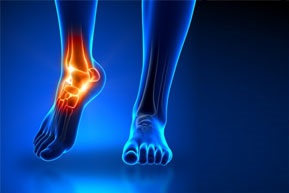
The symptoms of CRPS vary in their severity and length. One symptom of CRPS is continuous, intense pain that gets worse rather than better over time. If CRPS occurs after an injury, it may seem out of proportion to the severity of the injury. Even in cases involving an injury only to a finger or toe, pain can spread to include the entire arm or leg. In some cases, pain can even travel to the opposite extremity.
Other symptoms of CRPS include:
1) “Burning” pain
2) Swelling and stiffness in affected joints
3) Motor disability, with tremor in the affected body part
4) There may be nail or hair growth changes or atrophy.
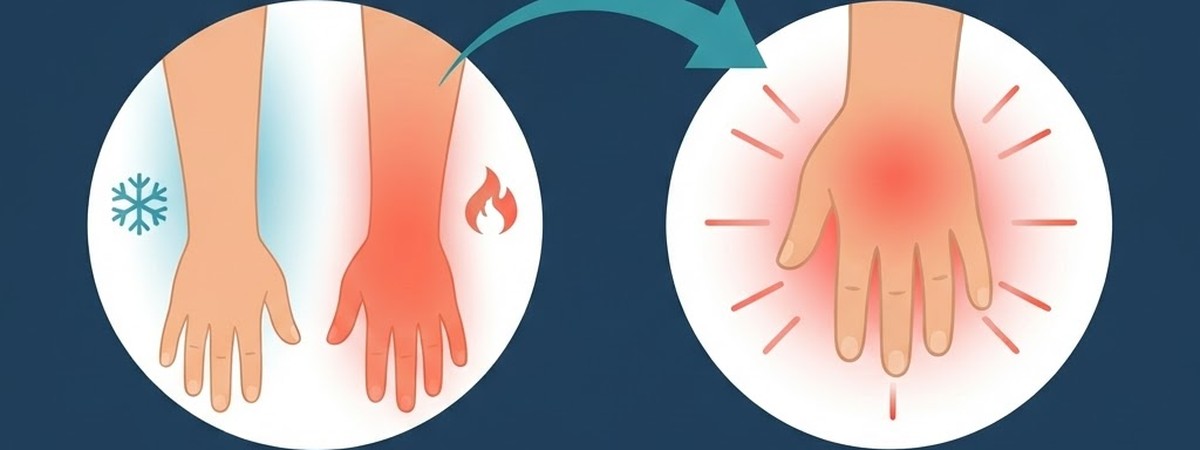
5) CRPS can involve changes in skin temperature — skin on one extremity can feel warmer or cooler compared to the opposite extremity. Skin color may become blotchy, pale, purple or red. The texture of skin also can change, becoming shiny and thin. People with CRPS may have skin that sometimes is excessively sweaty.
Learn more in our Education center, or explore other pain conditions.