
Explore the pain conditions we treat — click any condition below to learn about symptoms, causes, and how we can help.
BACK PAIN
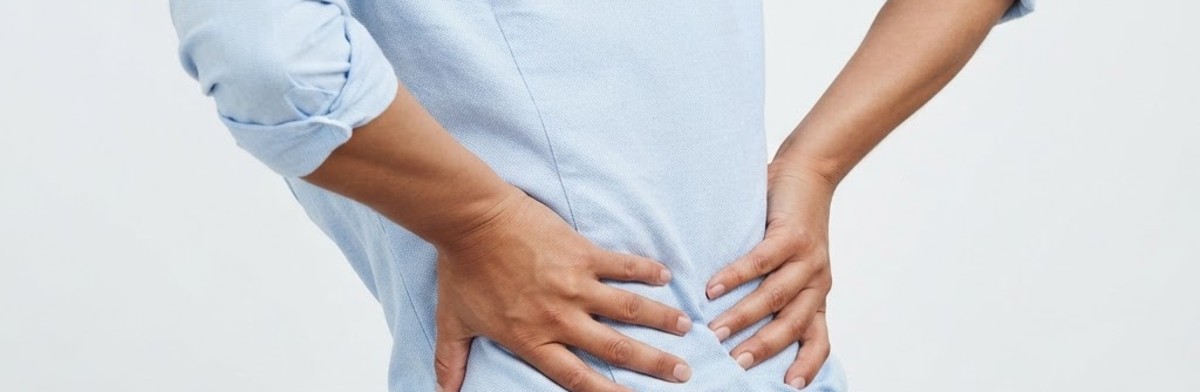
Causes of pain in the lower back include conditions affecting the bony spine; discs between the vertebrae; ligaments around the spine and discs; spinal inflammation; spinal cord and nerves. These can lead to sciatica, spinal stenosis, lumbar radiculopathies, and compression fractures which are treated successfully at Advanced Pain Management Center of Oklahoma.
KNEE PAIN
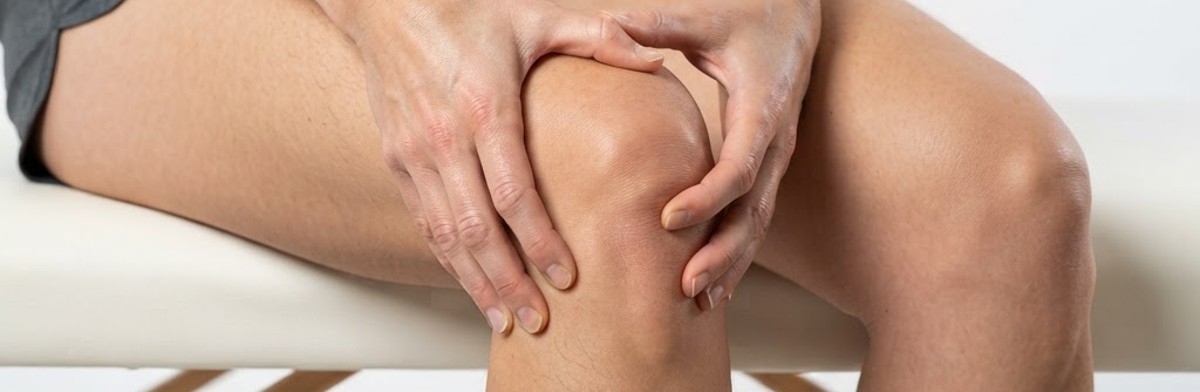
A common complaint that affects people of all ages. Knee pain may be the result of an injury, such as a ruptured ligament or torn cartilage. Medical conditions — including arthritis, gout and infections — also can cause knee pain.
JOINT PAIN
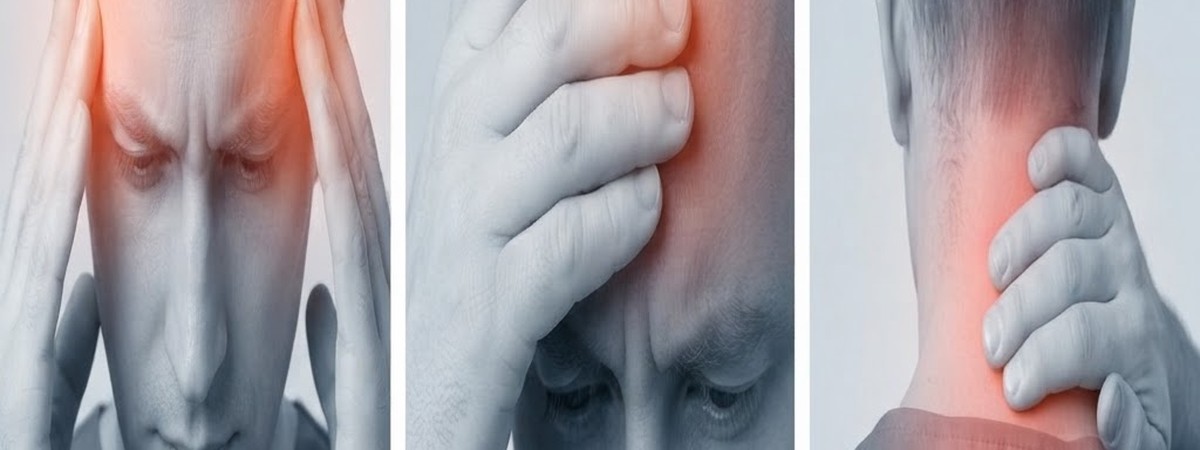
Joint pain is discomfort that arises from any joint — the point where two or more bones meet. Joint pain is sometimes called arthritis or arthralgia. Joint pain can be mild, causing some soreness each time you move your joint.
FIBROMYALGIA
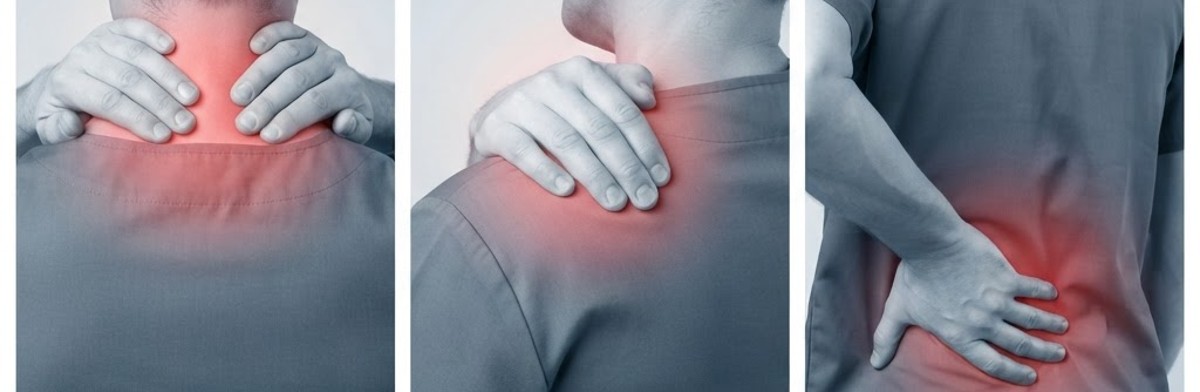
A disorder characterized by widespread musculoskeletal pain accompanied by fatigue, sleep, memory and mood issues.
SHINGLES
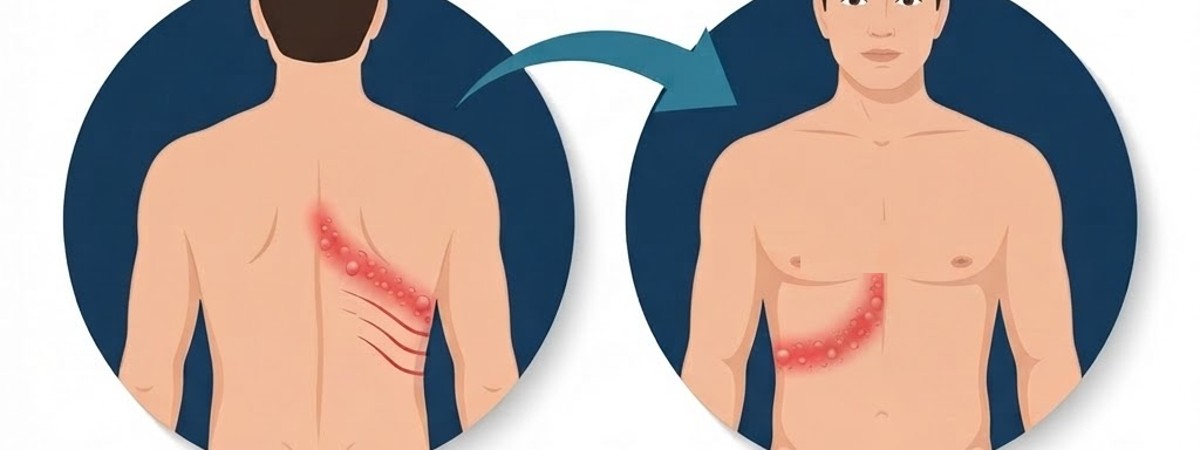
Shingles is a viral infection that causes a painful rash. Although shingles can occur anywhere on your body, it most often appears as a single stripe of blisters that wraps around either the left or the right side of your torso.
HEADACHES
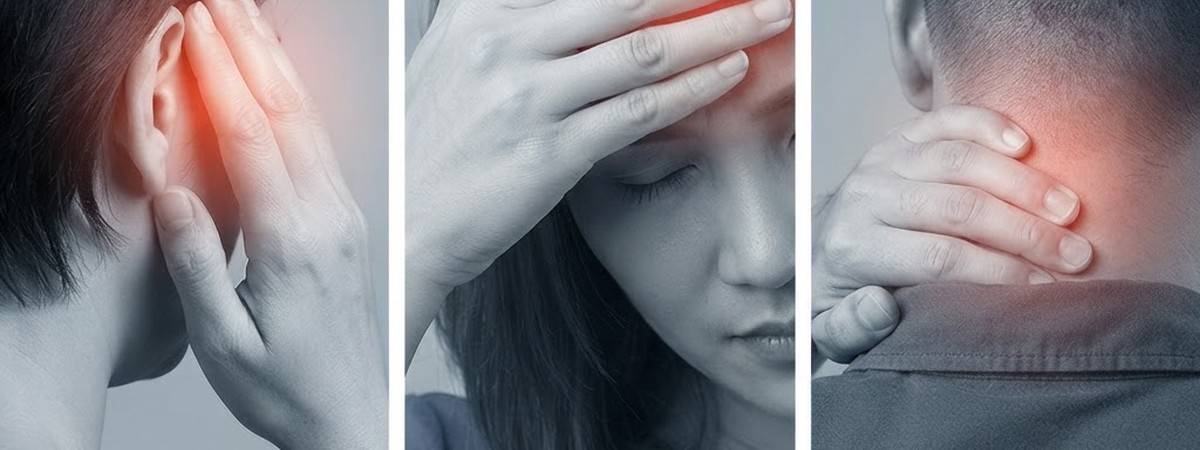
Headaches may occur on one or both sides of the head, be isolated to a certain location, radiate across the head from one point, or have a vise-like quality. A headache may be a sharp pain, throbbing sensation or dull ache. Headaches may appear gradually or suddenly, and they may last less than an hour or for several days.
CANCER PAIN
A complex, temporally changing symptom which is the end result of mixed mechanism pain. It involves inflammatory, neuropathic, ischemic, and compression mechanisms at multiple sites.5 It is a subjective, heterogeneous experience that is modified by individual genetics, past history, mood, expectation, and culture.
CARPAL TUNNEL
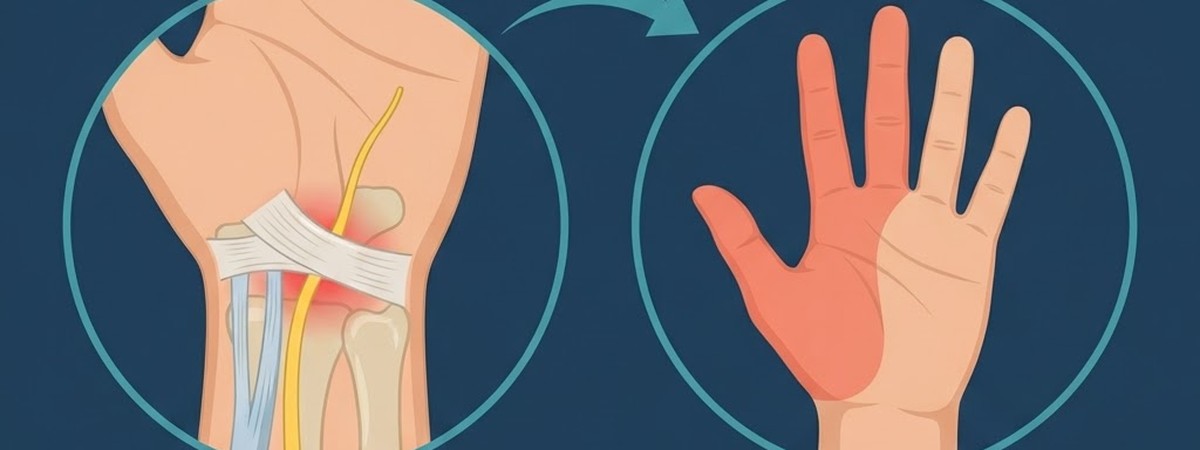
Carpal tunnel syndrome is a hand and arm condition that causes numbness, tingling and other symptoms. Carpal tunnel syndrome is caused by a pinched nerve in your wrist.
VERTEBRAL COMPRESSION FRACTURES OF THE SPINE
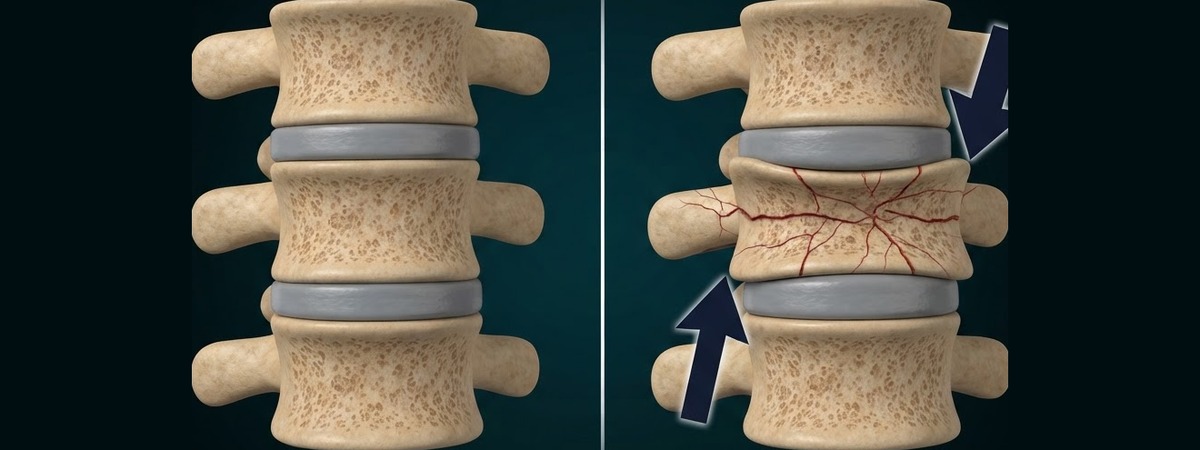
Occurs when bones (vertebrae) in the spine collapse. Vertebral compression fractures result when the bone tissue of the vertebral body collapses. The condition is most often caused by osteoporosis and may be caused by trauma to the back, such as a fall or vehicular accident. A compression fracture may cause severe disability and pain that is treated with kyphoplasty or vertebroplasty.
CRPS / RSD
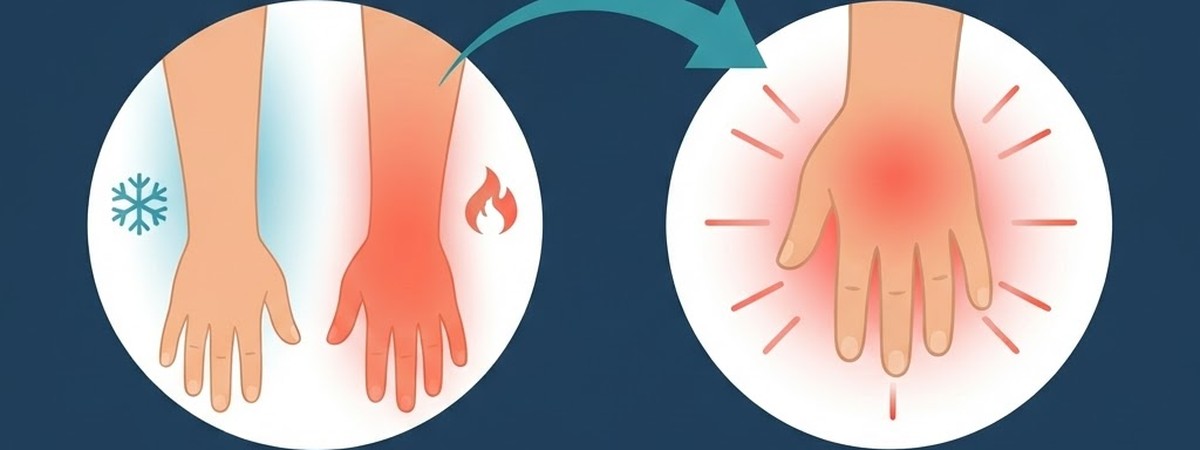
Complex regional pain syndrome is an uncommon form of chronic pain that usually affects an arm or a leg. Complex regional pain syndrome typically develops after an injury or surgery, but the pain is out of proportion to the severity of the initial injury.
DIABETIC NEUROPATHIC PAIN
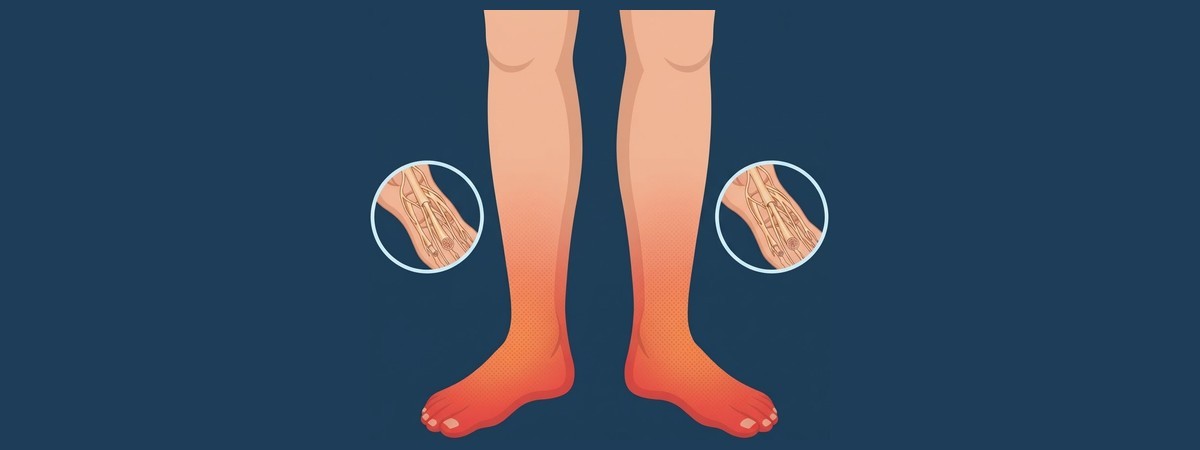
Diabetic neuropathy is a type of nerve damage that can occur if you have diabetes. High blood sugar can injure nerve fibers throughout your body, but diabetic neuropathy most often damages nerves in your legs and feet.
HERNIATED DISK
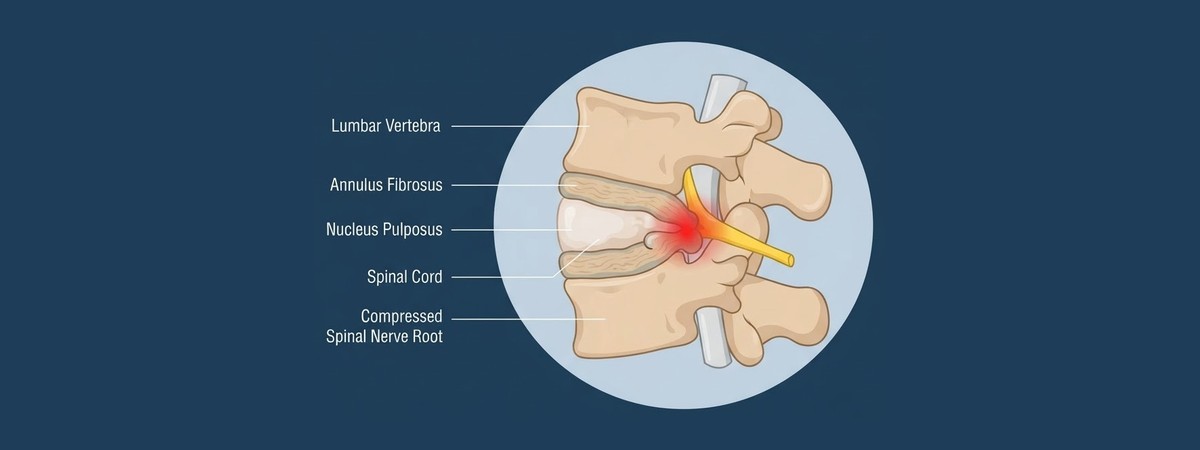
A herniated disk refers to a problem with one of the rubbery cushions (disks) between the individual bones (vertebrae) that stack up to make your spine.
SPINAL STENOSIS
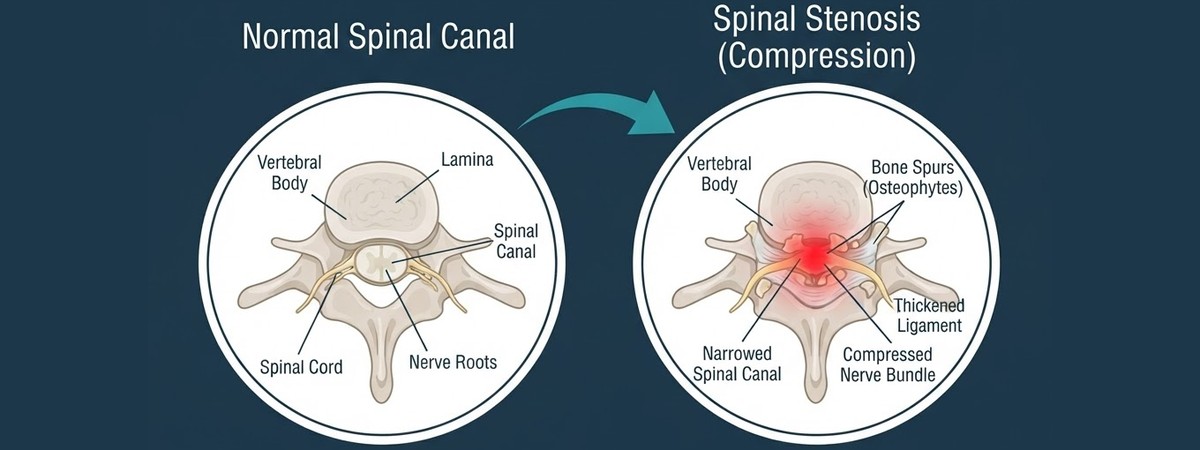
The narrowing of spaces in the spine (backbone) which causes pressure on the spinal cord and nerves. About 75% of cases of spinal stenosis occur in the low back (lumbar spine). In most cases, the narrowing of the spine associated with stenosis compresses the nerve root, which can cause pain along the back of the leg.
SPORTS INJURY
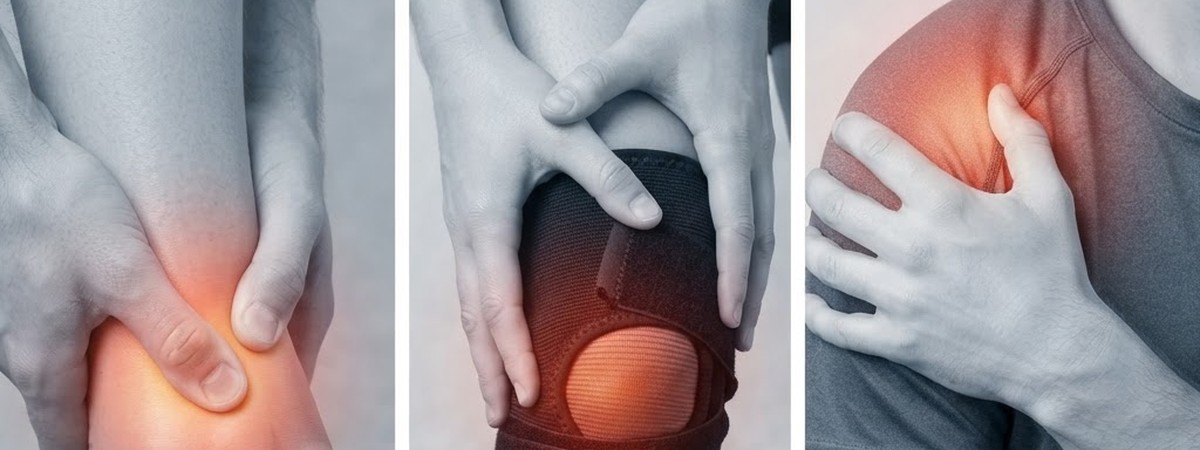
Sports injuries result from acute trauma or repetitive stress associated with athletic activities. Sports injuries can affect bones or soft tissue (ligaments, muscles, tendons).
SCIATICA
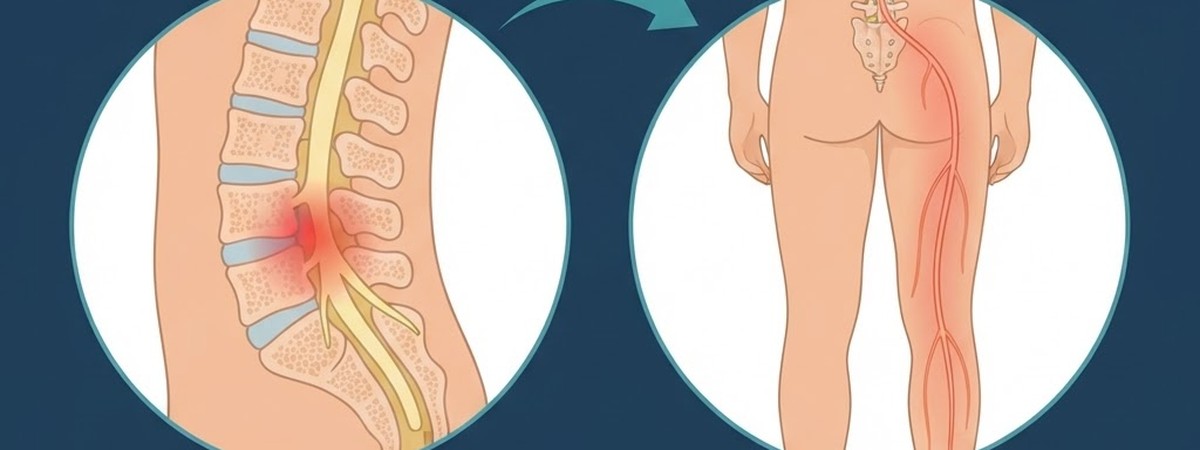
Sciatica refers to pain that radiates along the path of the sciatic nerve, which branches from your lower back through your hips and buttocks and down each leg. Typically, sciatica affects only one side of your body.