
Welcome to our education library — clear, practical information about where pain comes from and how it is treated.
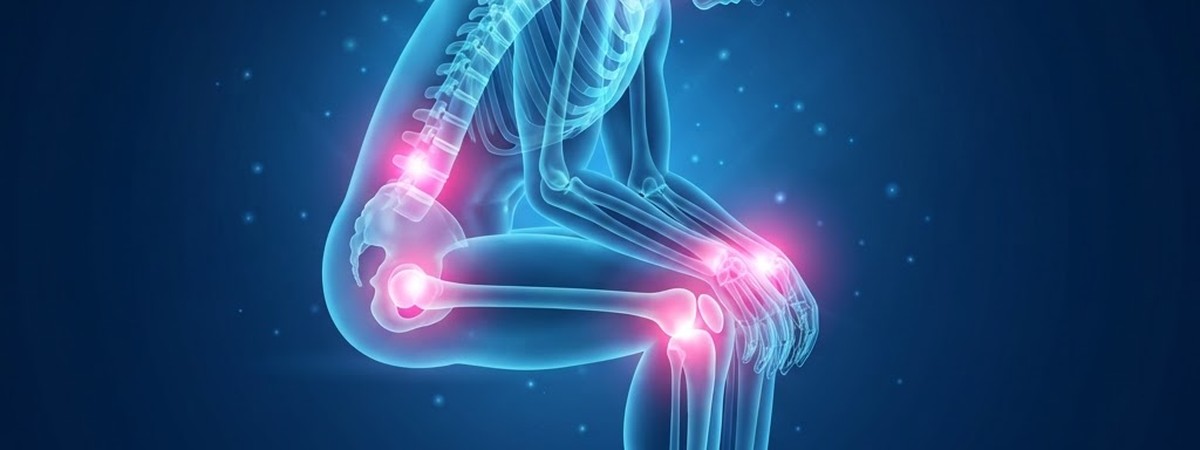
Pain can have unintended consequences specially when poorly controlled. The side effects of poorly controlled pain can include adverse psychological, hormonal and physical outcomes. Activation of the sympathetic nervous system is an unintended consequence of poorly controlled pain which can lead to adverse cardiovascular, gastrointestinal, and renal consequences. In the chronically ill, pain can lead to immobility which predisposes patients to deep vein thrombosis, pulmonary embolisms, and pneumonia.
Unrelieved Pain Causes Stress
The endocrine system reacts by releasing an excessive amount of hormones, ultimately resulting in carbohydrate, poor glucose use; and other harmful effects. This reaction combined with inflammatory processes can produce weight loss, tachycardia, increased respiratory rate, fever, shock, and death.
Unrelieved Pain Prolongs the Stress Response
Unrelieved pain prolongs the stress response, adversely affecting your recovery.
Pain Relief Is Good For Your Heart
The cardiovascular system responds to stress of pain by activating the sympathetic nervous system, which produces a variety of unwanted effects. These include hypercoagulation and increased heart rate, blood pressure, cardiac work load, and oxygen demand. Aggressive pain control is required to reduce these effects and prevent thromboembolic and cardiac complications.
Acute Pain Can Turn To Chronic Pain
Unrelieved acute pain can result in chronic pain at a later date. Thus, pain now can cause pain later. If acute shingles pain is not treated aggressively, it is believed to increase the risk of postherpetic neuralgia.
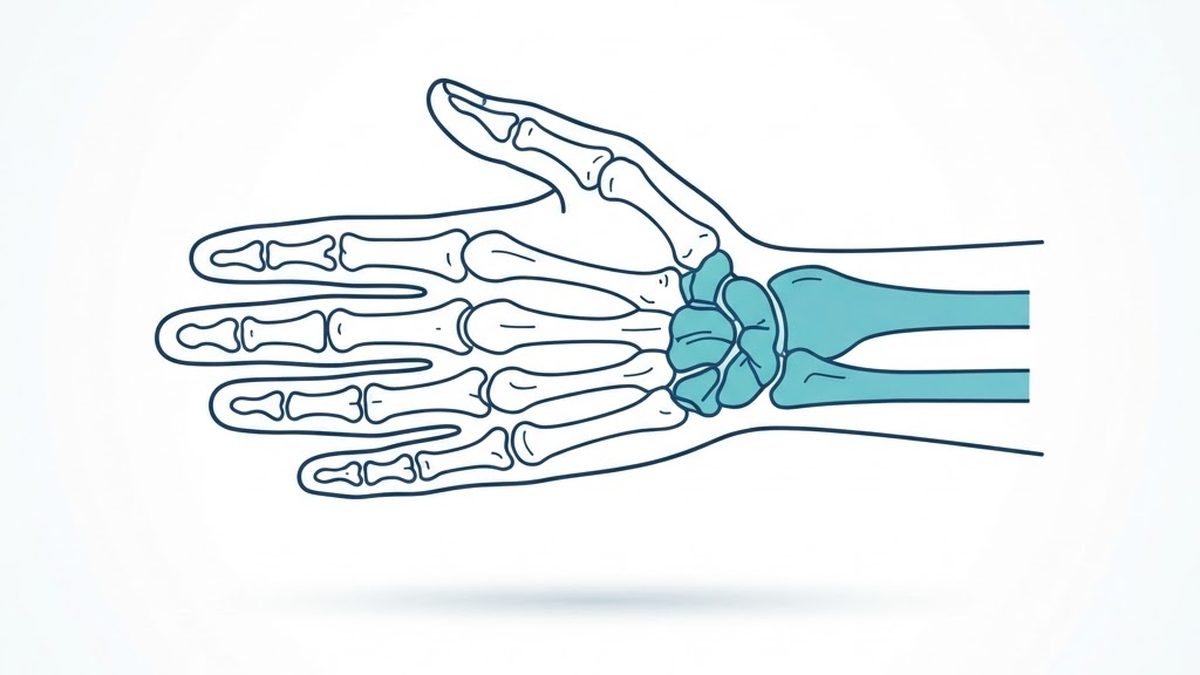
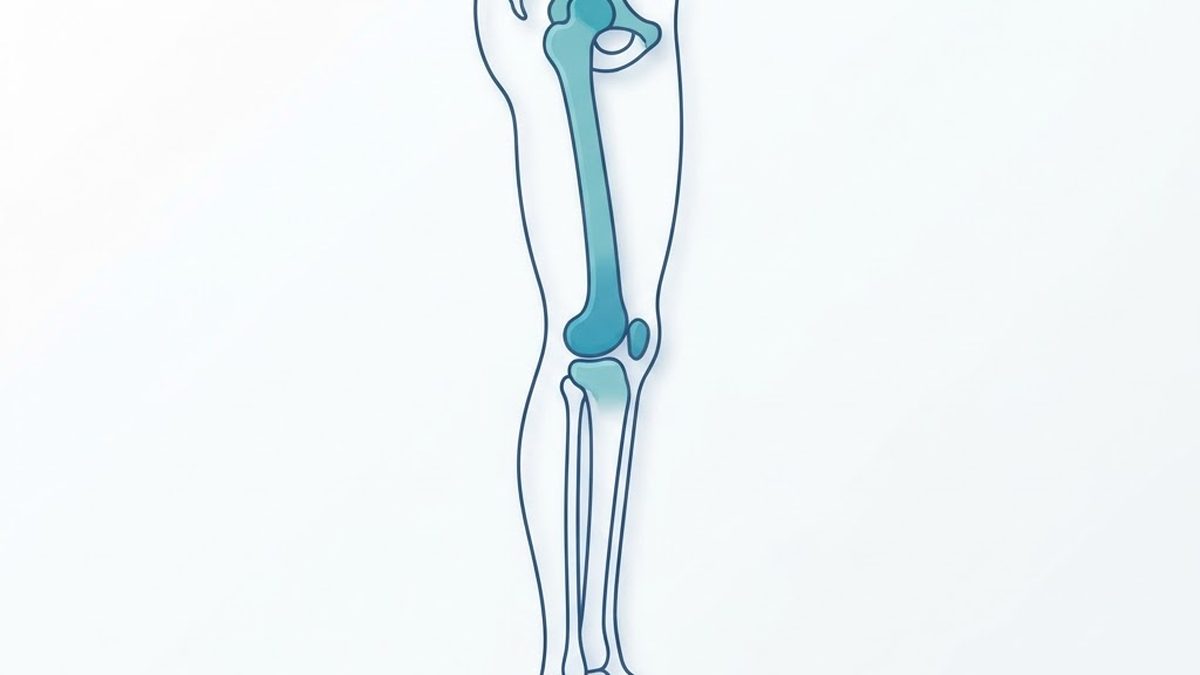
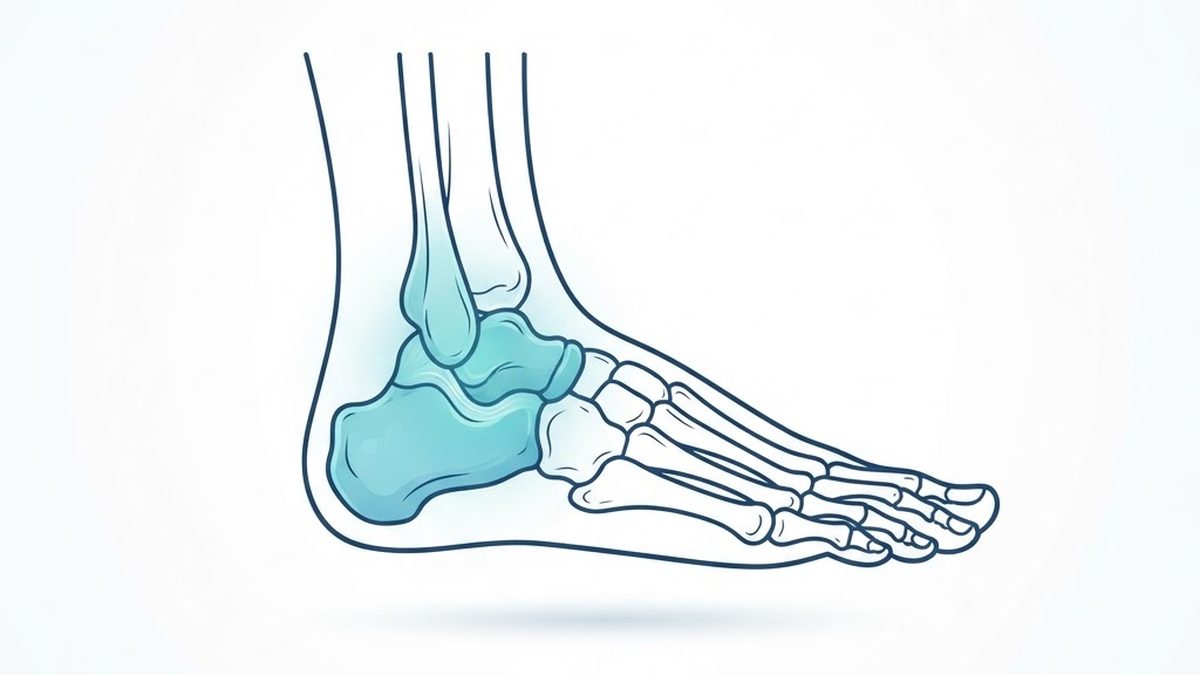
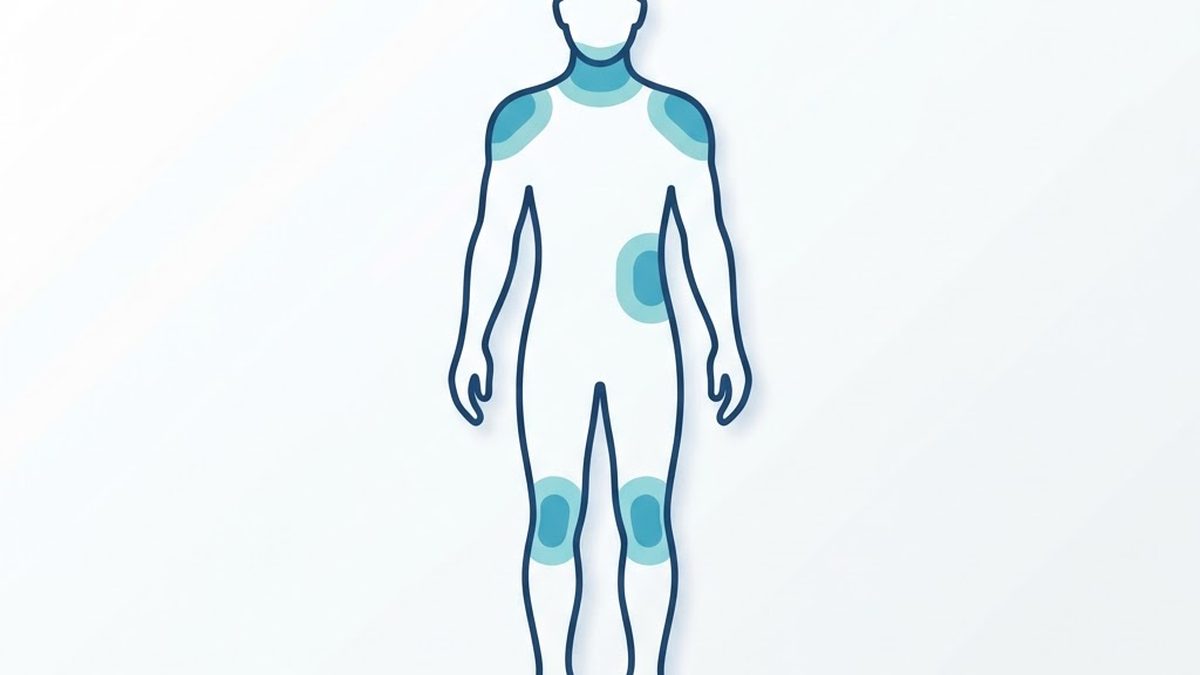
Where does it hurt?
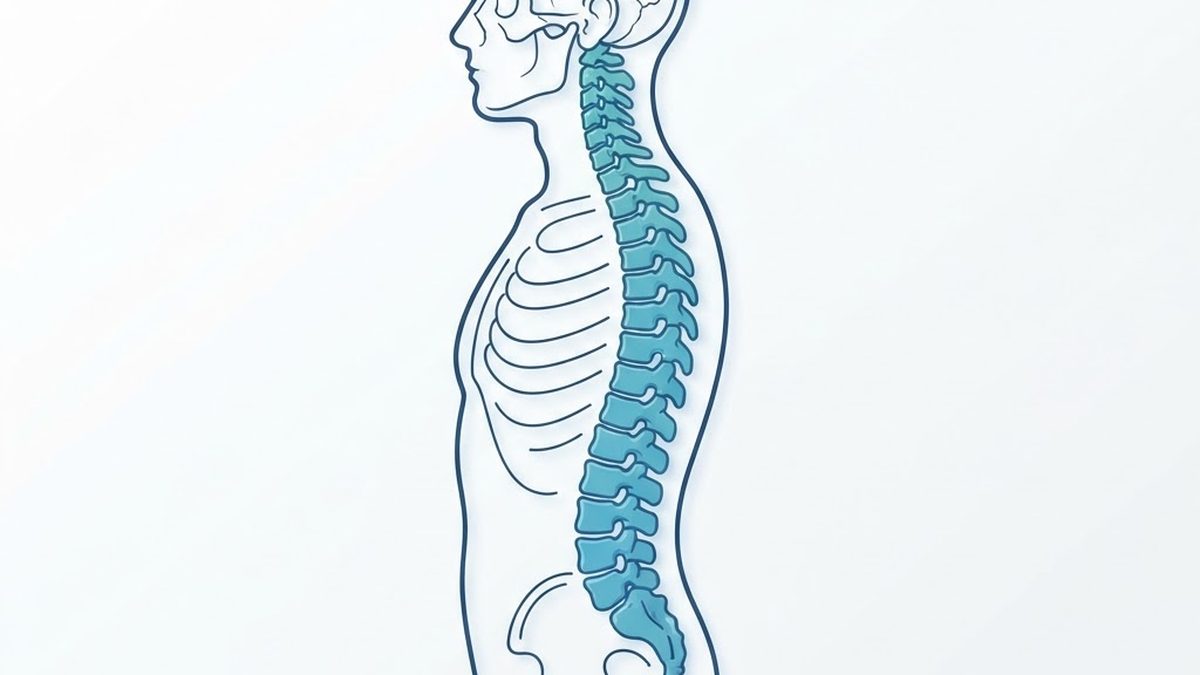
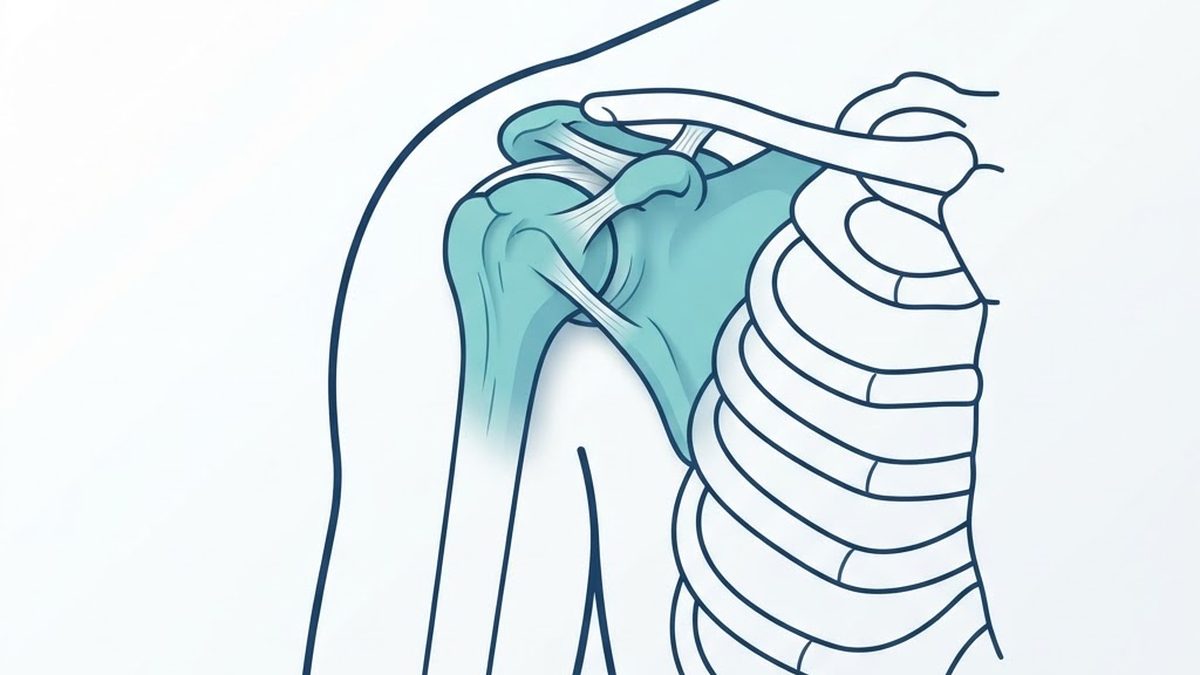
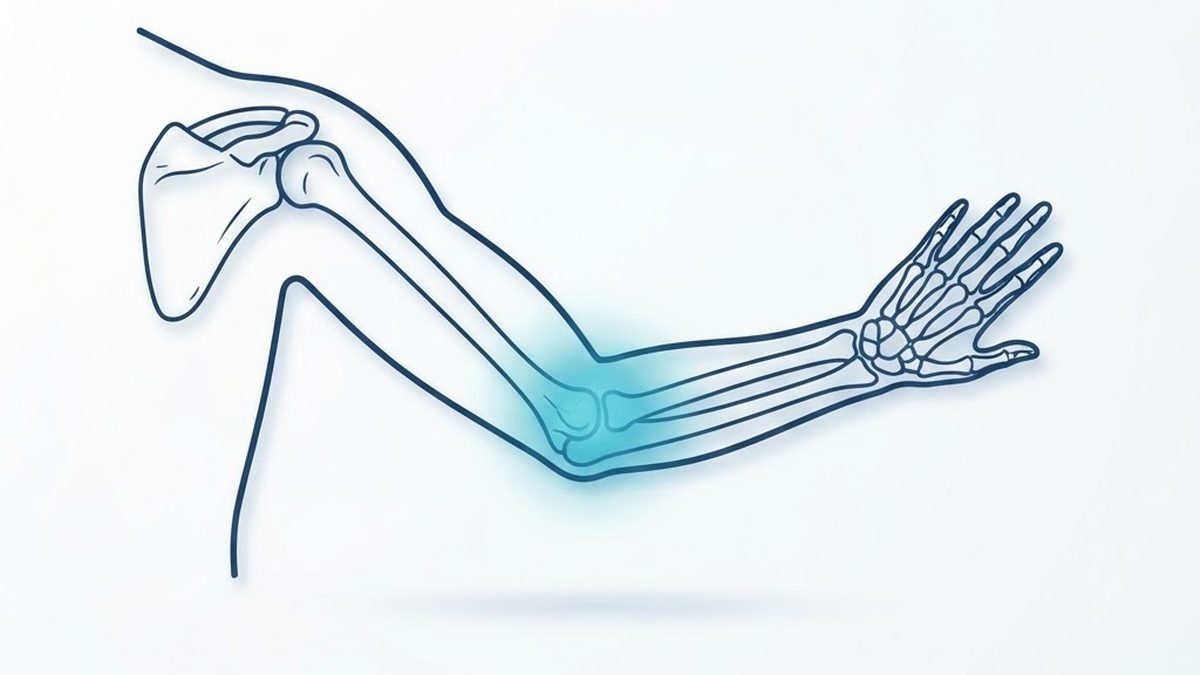
Select a body area to learn about the conditions we treat and how we can help.
Procedures & Treatments
A sample of the procedures we offer to diagnose and treat chronic pain.
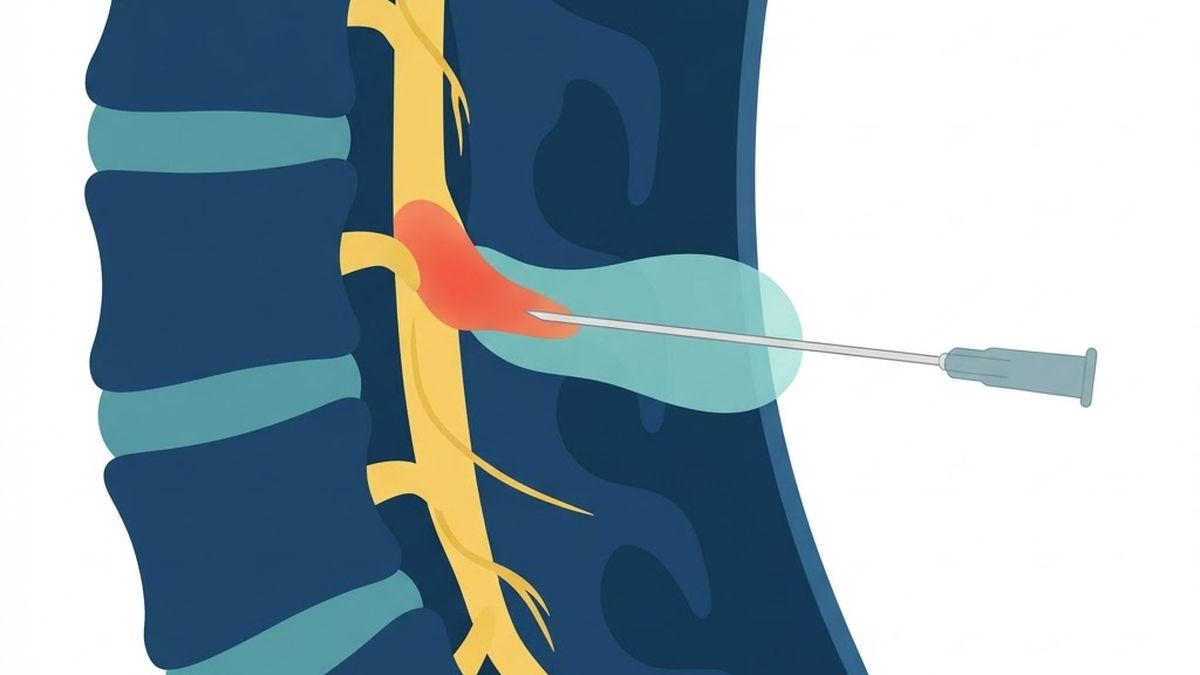
Epidural Steroid Injection
Anti-inflammatory medication delivered into the epidural space of the spine to relieve neck, back and radiating arm or leg pain — including sciatica — caused by inflamed spinal nerves.
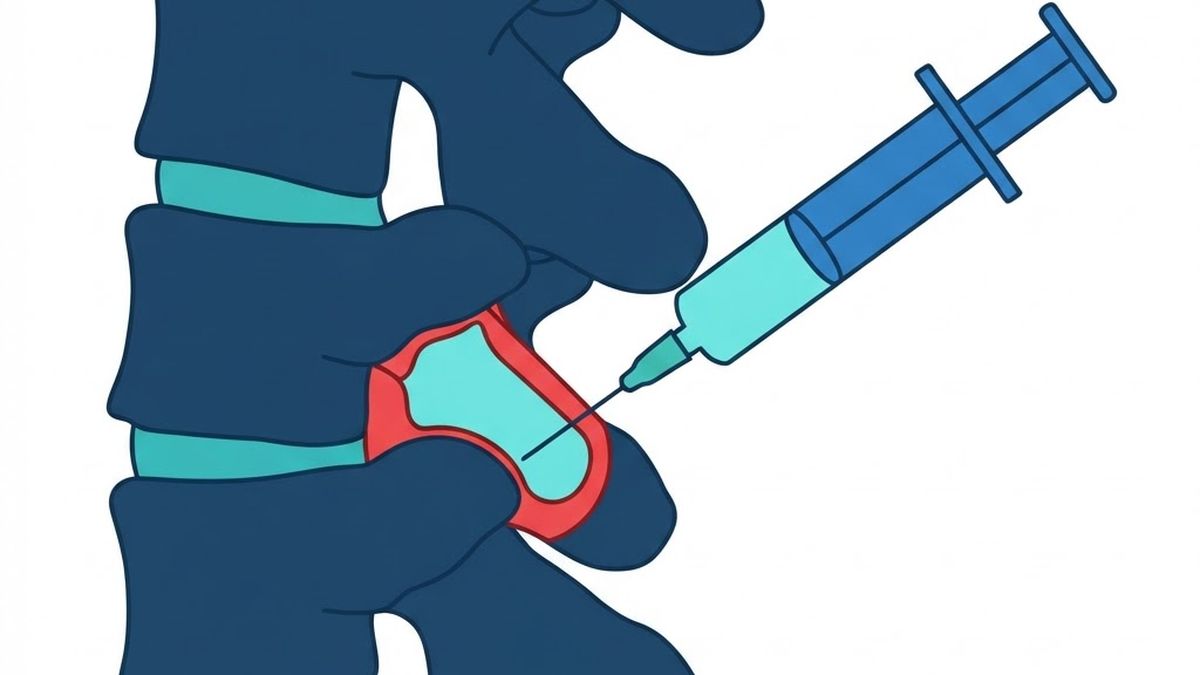
Facet Joint Injection
Steroid and anesthetic injected into a spinal facet joint to diagnose and relieve arthritis-related neck or back pain. A medial branch block can confirm the pain source before longer-lasting treatment.
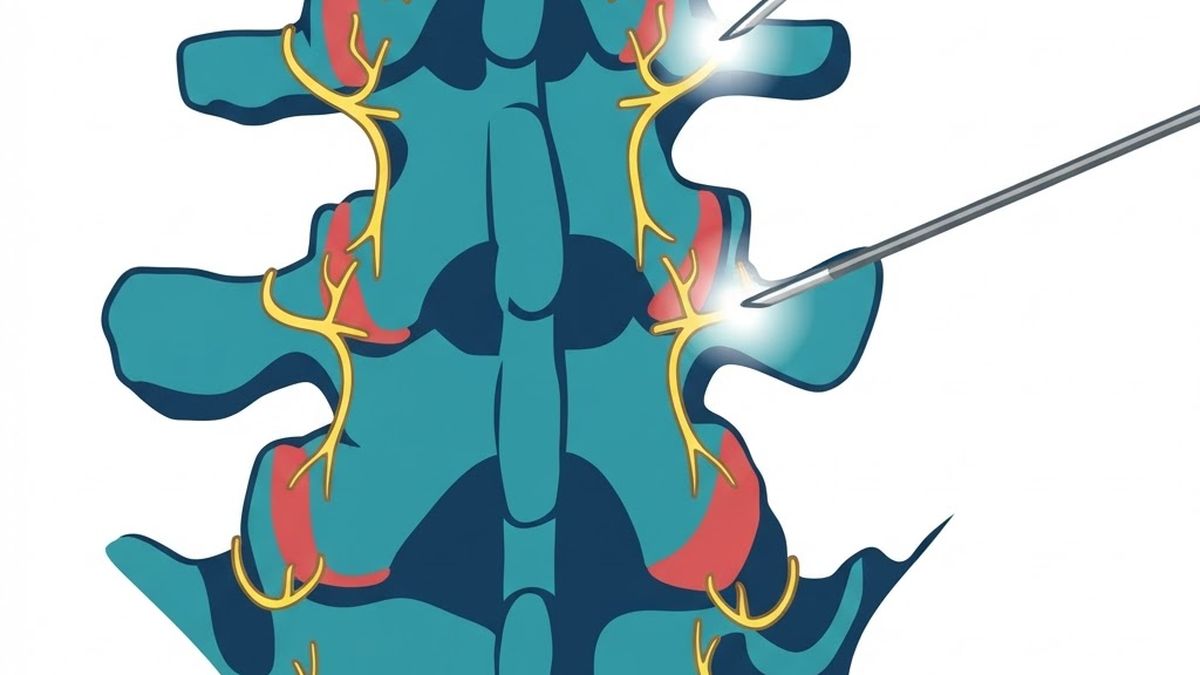
Radiofrequency Nerve Ablation
Precise heat applied to the nerves that serve the facet joints, decreasing pain signals from that area — available for the neck, mid-back and low back.
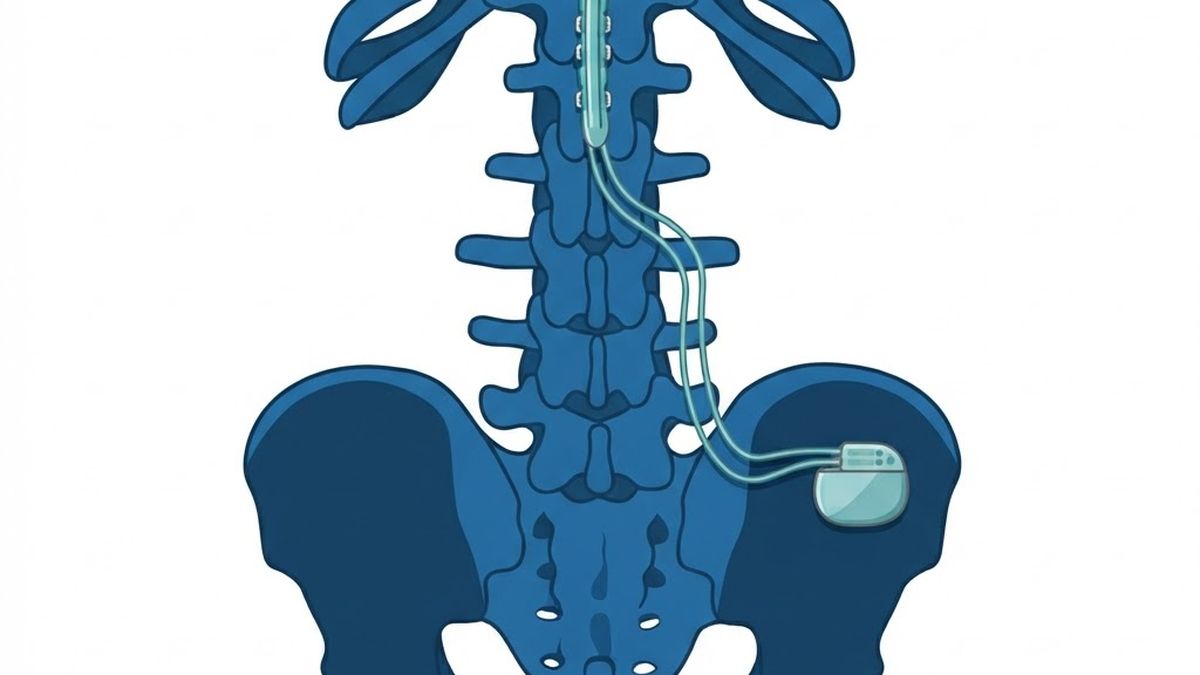
Spinal Cord Stimulation
A system of thin leads placed in the epidural space delivers mild electrical pulses to mask pain signals. A temporary trial is performed before permanent implantation.
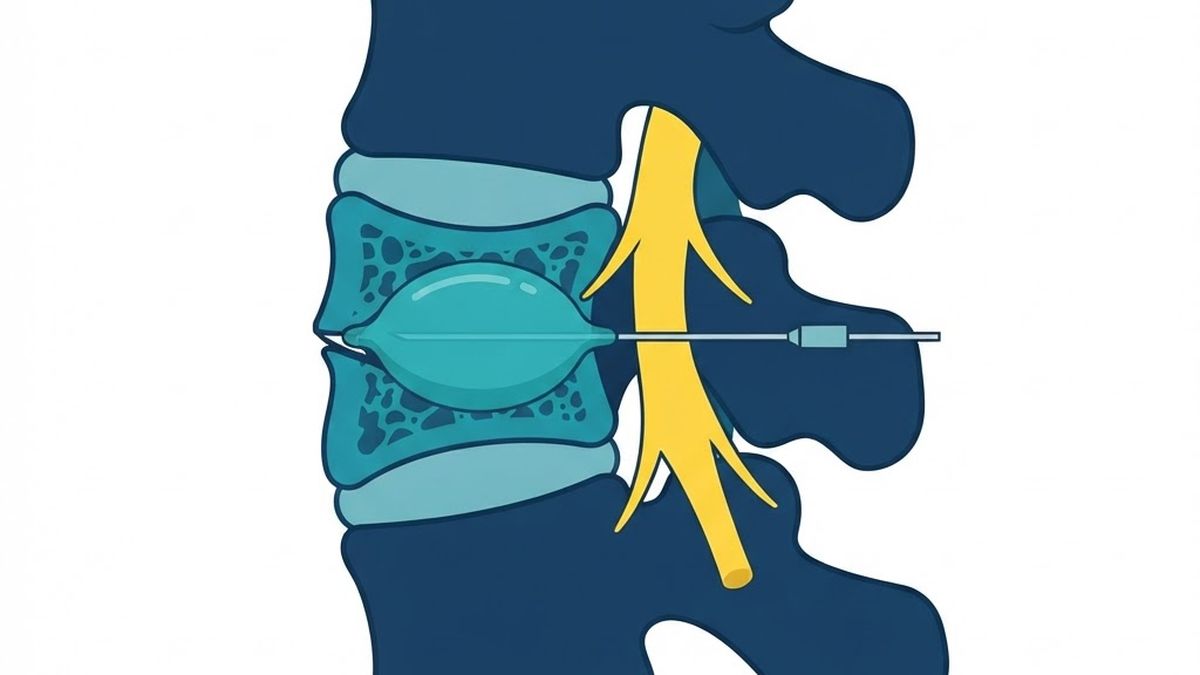
Vertebroplasty & Kyphoplasty
Bone cement injected into a fractured vertebra to stabilize compression fractures and relieve back pain — kyphoplasty first uses a small balloon to restore vertebral height.
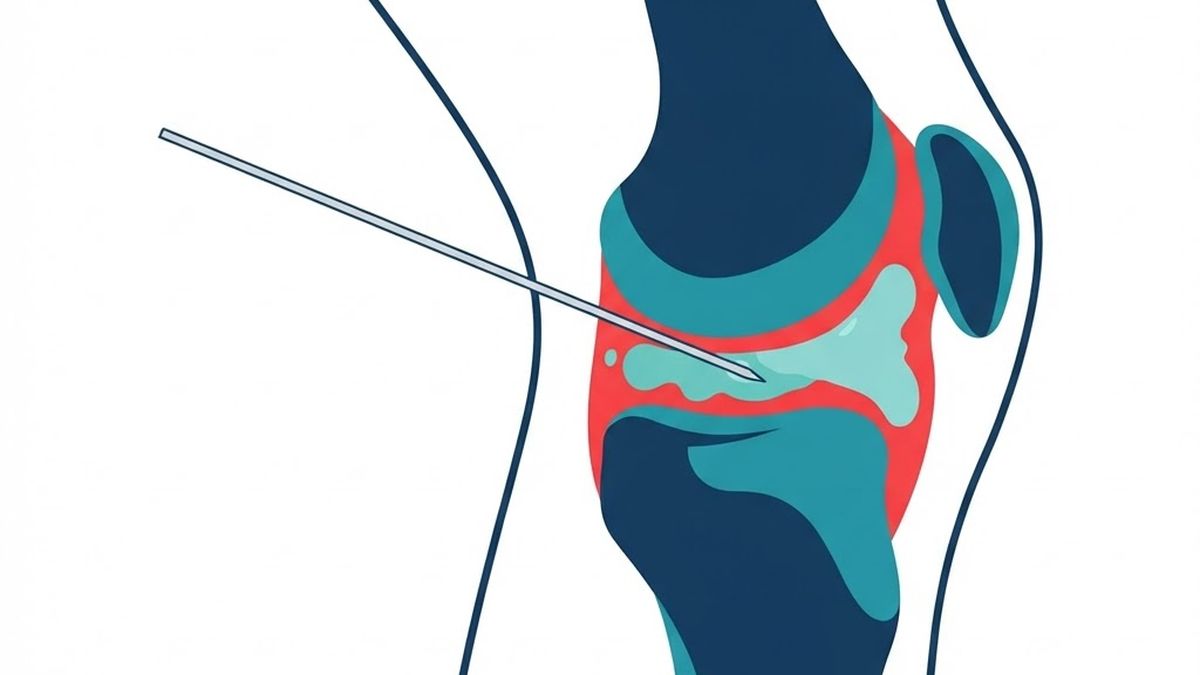
Joint Injection
Imaging-guided injection of corticosteroid and anesthetic into a painful joint — most commonly the knee, hip, shoulder and wrist — to reduce arthritis pain and inflammation.
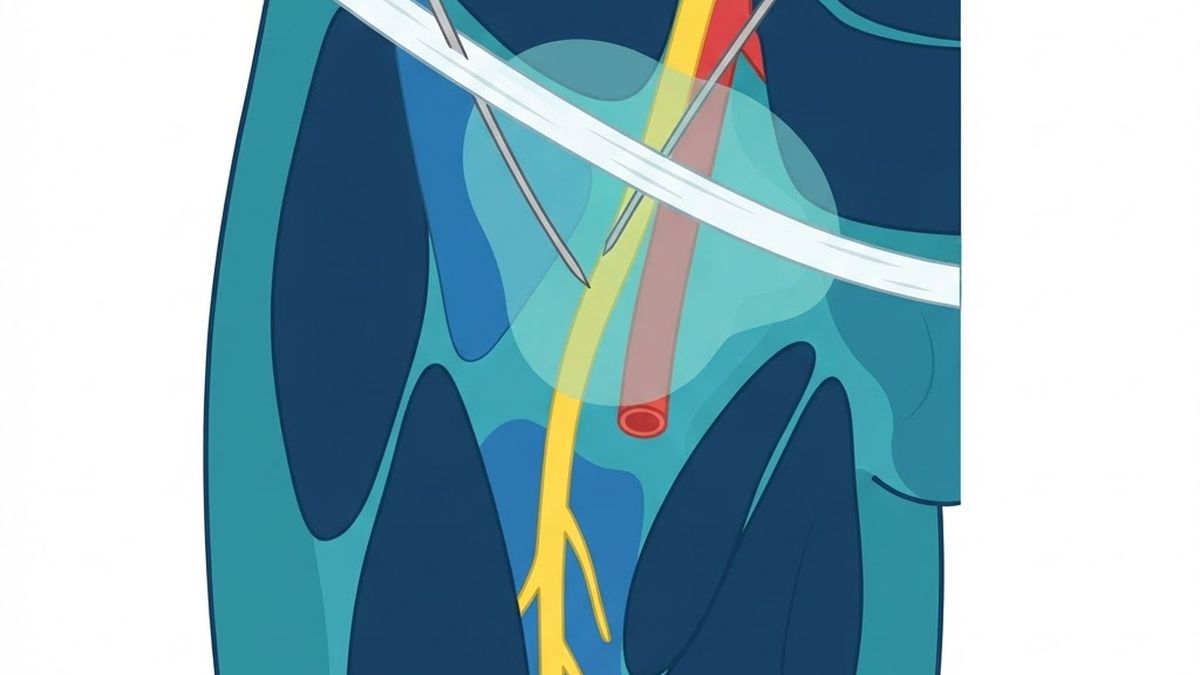
Leg Nerve Blocks
Local anesthetic injections that numb the leg. A femoral nerve block is typically used before or after surgery on the thigh or knee, and a fascia iliaca block relieves pain that can follow certain leg surgeries.
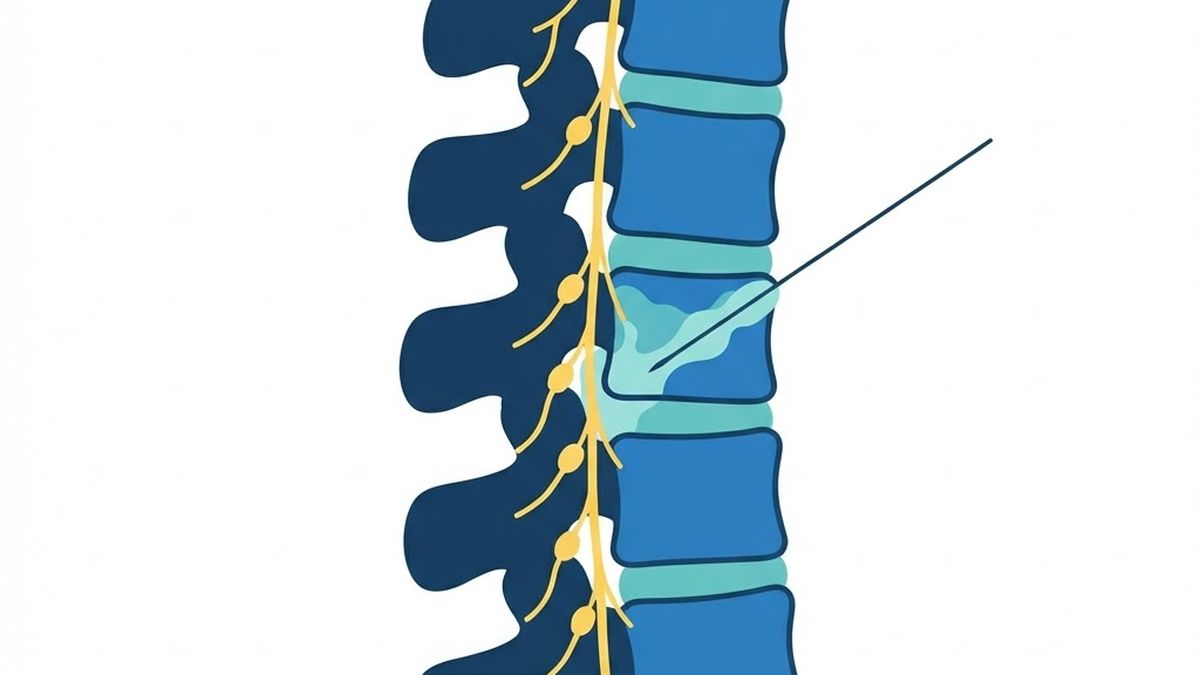
Lumbar Sympathetic Nerve Block
Local anesthetic injected along the sympathetic nerves at the front of the low spine to relieve chronic leg and foot pain from CRPS, shingles and related conditions.
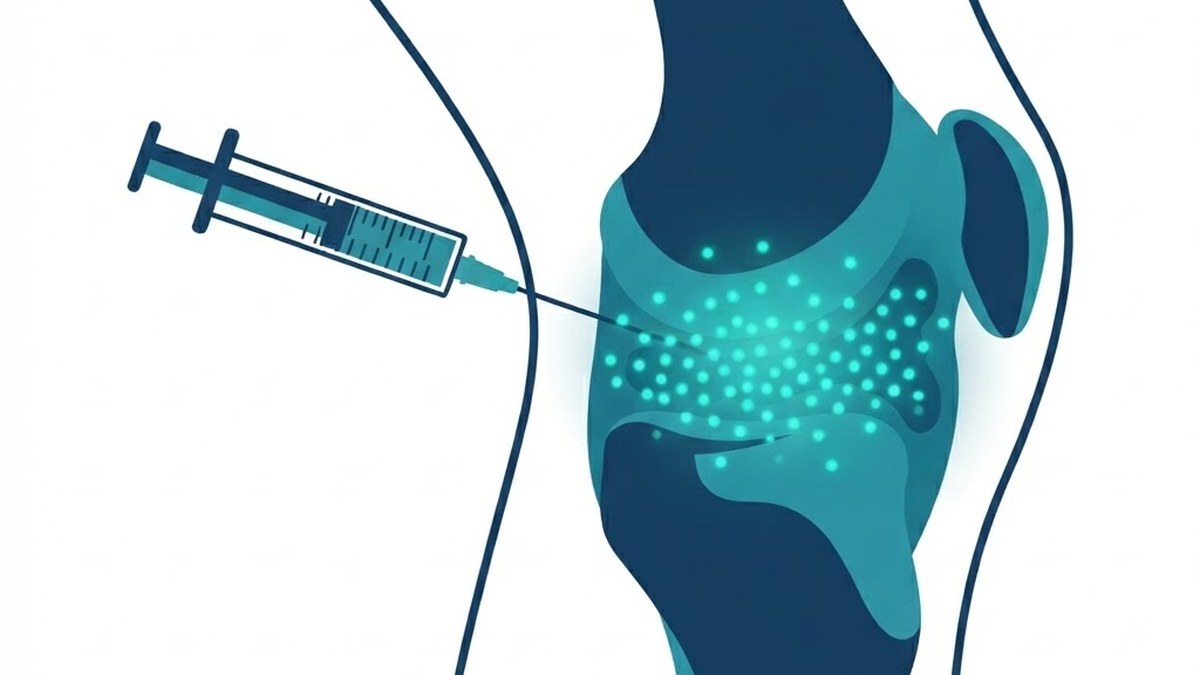
Stem Cell Therapy
Regenerative medicine that uses your body’s own healing cells to treat degenerative conditions of the shoulder, knee, hip and spine, as well as damaged muscle, ligaments and tendons.
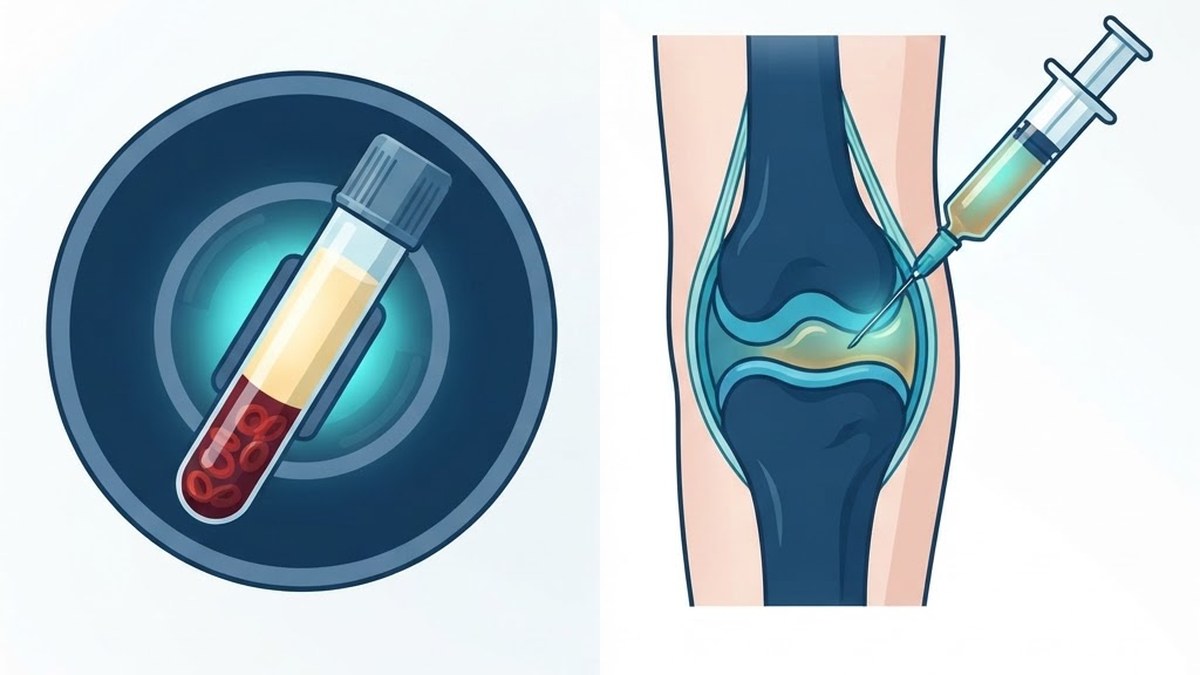
Platelet-Rich Plasma (PRP) Injection
A concentrated portion of your own blood, rich in platelets and growth factors, injected into injured tendons, ligaments, muscles and joints to promote natural healing.
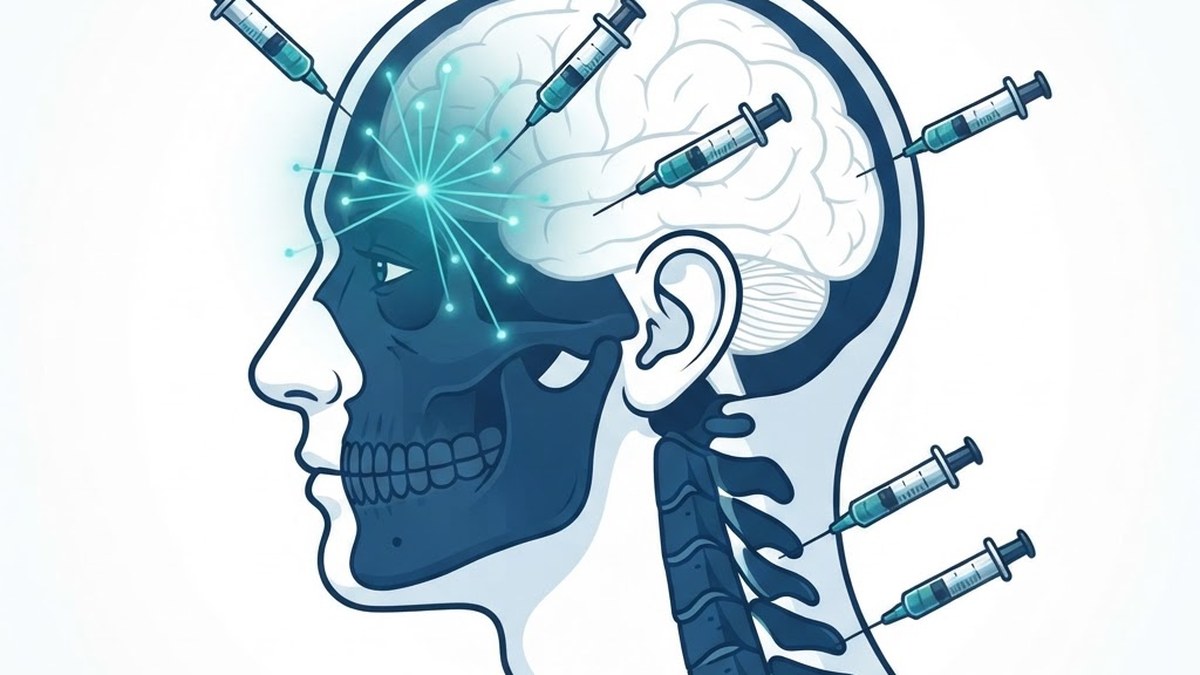
Botox for Migraines
Botulinum toxin injected at nerve trigger points around the head and neck — administered about every three months — helps prevent chronic migraine by relaxing the surrounding muscles.
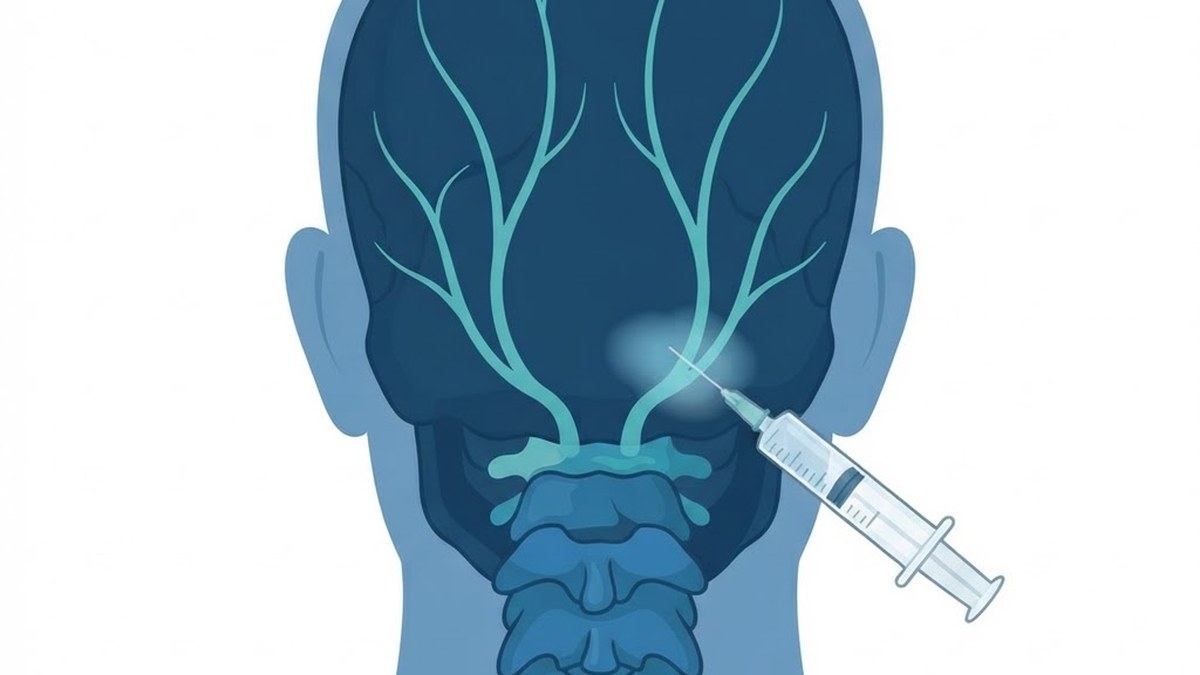
Occipital Nerve Block
Steroid and local anesthetic injected near the occipital nerves at the base of the skull to relieve headache pain that originates at the back of the head.
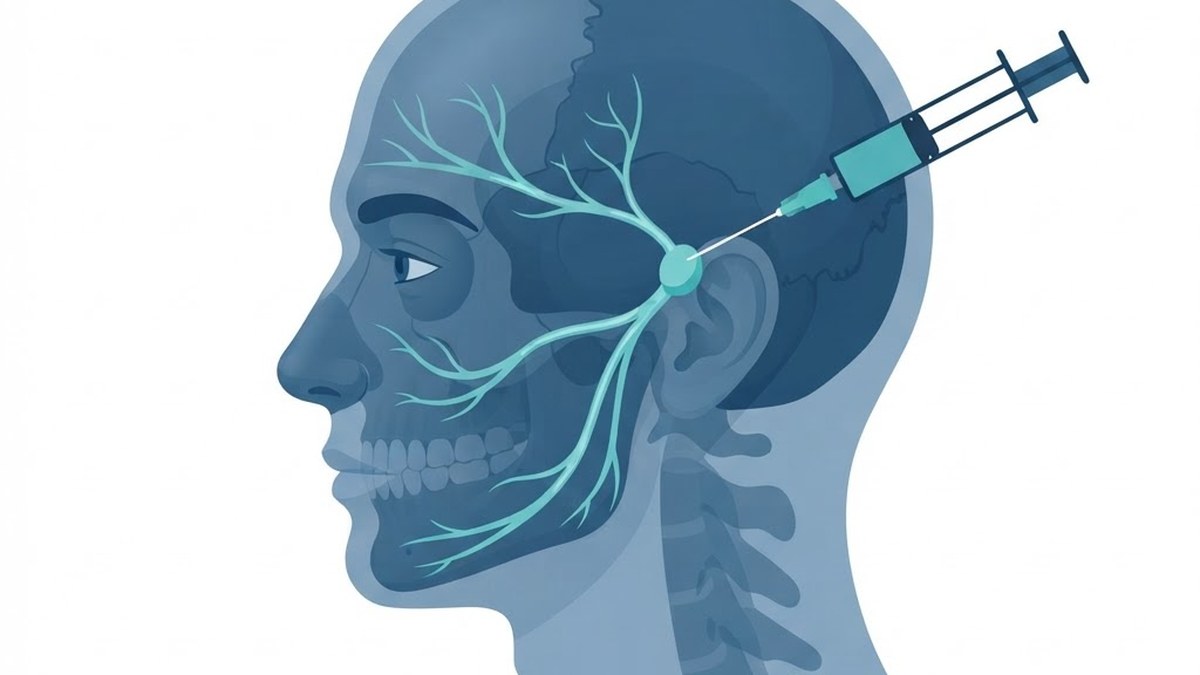
Trigeminal Nerve Block
Local anesthetic injected around the trigeminal nerve, which carries sensation from the face, to treat trigeminal neuralgia and help prevent certain chronic migraines.
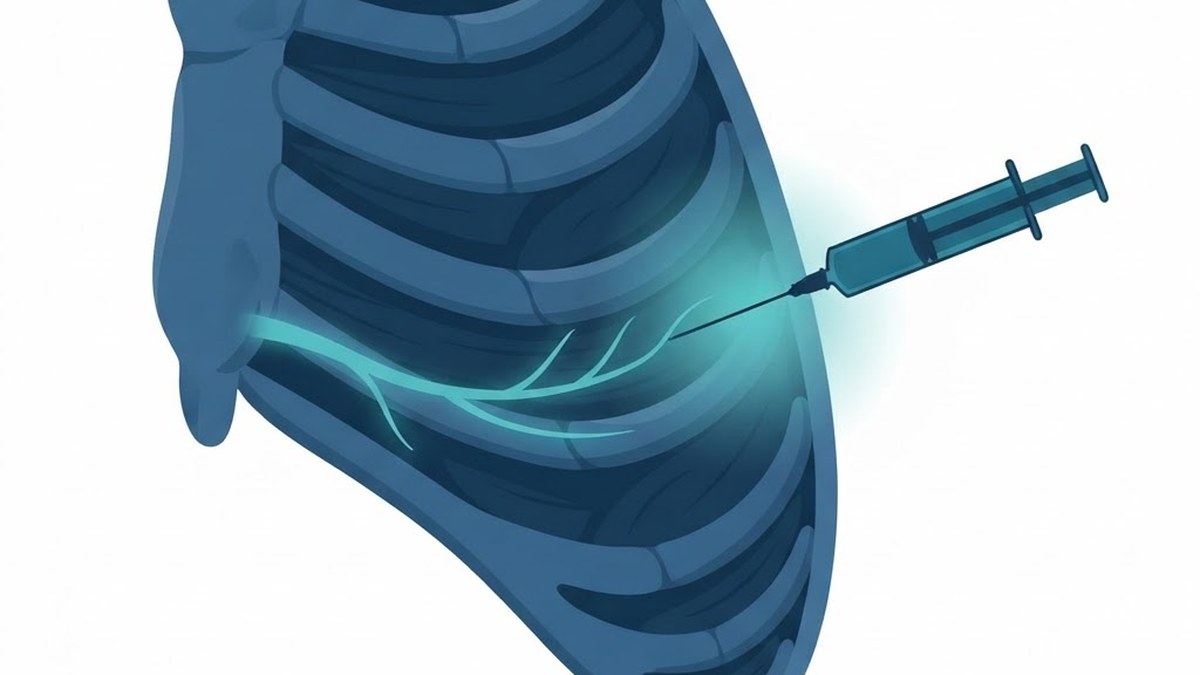
Intercostal Block
Steroid and local anesthetic injected just under a rib to relieve chest-wall pain caused by shingles or a surgical incision.